
How Arrest Warrants Work in Floyd County
An arrest warrant is a court order. It lets law enforcement take a named person into custody. The usual path starts with a sworn complaint, application, or affidavit laying out facts. Those facts must add up to probable cause, a reasonable basis to believe an offense occurred and that this person committed it. A judge or magistrate reads the request and either issues process or denies it. In Floyd County, Magistrate Court executes arrest and search warrants for law-enforcement agencies, and its docket also covers civilian warrant applications and hearings, first appearances, bond hearings, and preliminary hearings. None of that ends the case. Charges still move through the court process, and the record can stay sealed or restricted where the law allows, so a warrant on file is one step in a longer road, not the whole story.
Floyd County Arrest Warrant Review
The local path can be read as: complaint or affidavit → judicial review → signed warrant → entry and service → booking and first appearance → return or disposition. Each step creates a different record. The affidavit addresses probable cause. The warrant commands arrest. A return documents service. A disposition records what later occurred in court.
Floyd County Magistrate Court executes warrants for a long roster of agencies: FCSO, Floyd County Police, Rome Police, GBI, State Patrol, DNR, and DDS among them. That reach makes the court central to Floyd County warrant work. It does not mean one public portal opens every agency file. The Magistrate criminal-services page shows the court's own warrant-execution and hearing duties.
The Magistrate Court's own pages confirm warrant execution and hearing functions, with no named defendant listed there. For city charges, the Rome court payment page runs a separate process.
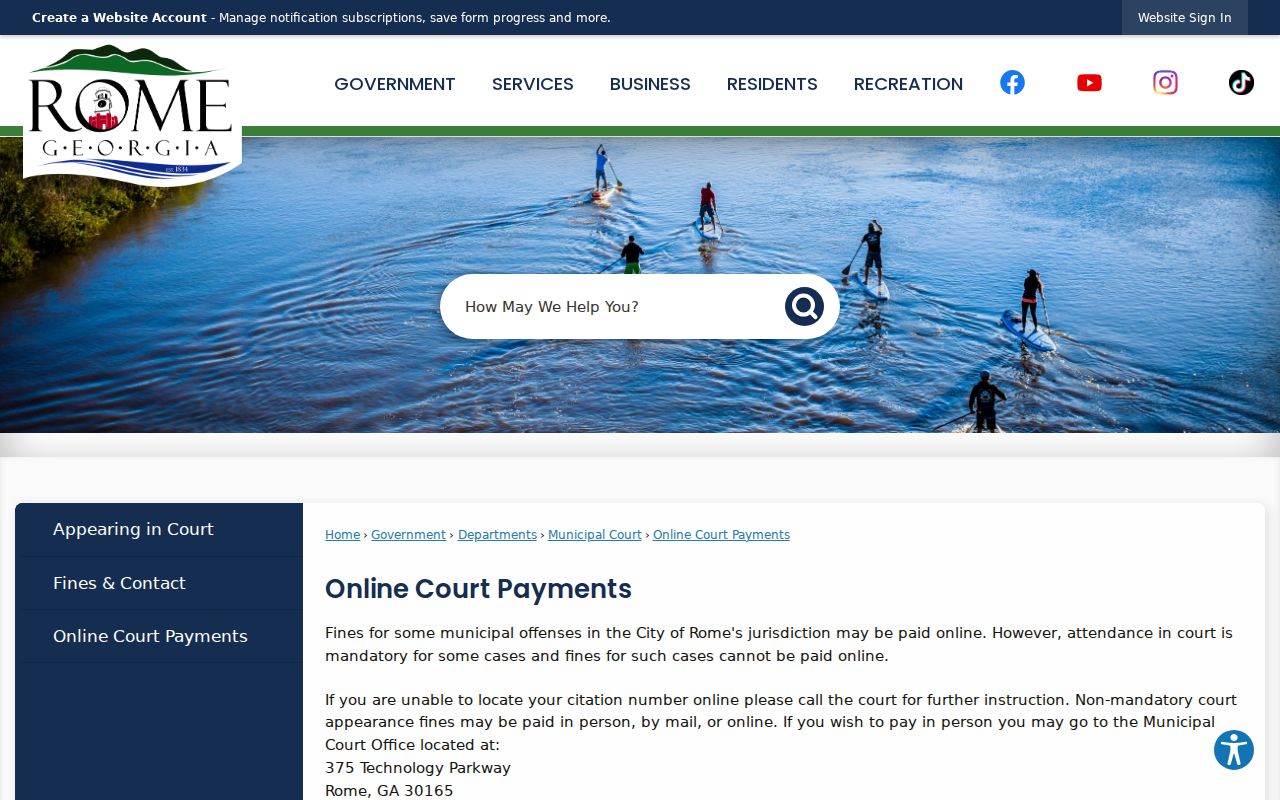
Its limits reinforce that payment and arrest-warrant disposition are not the same event.
Arrest Warrants: What They Contain
The signed document and the court file control what a warrant actually contains. A public portal may show fewer fields. After booking, Floyd County's current-inmates view can list charge, warrant type or identifier, jurisdiction, and bond. That custody list is not a roster of everyone with an unserved warrant.
| Warrant identifier | A reference for the process; no universal Floyd County display format was confirmed. |
|---|---|
| Named subject | The person the order authorizes law enforcement to arrest. |
| Alleged offense | The charge linked to probable cause, not a finding of guilt. |
| Issuing judge or court | The judicial source that controls the case record. |
| Issue date | When the judge authorized process, distinct from service. |
| Bond | Amount or conditions if set; availability must be confirmed. |
| Service or return | Whether and how the order was executed. |
Floyd County publishes no fixed warrant-number format. Copy each identifier exactly as the official source shows it, digits and letters included.
FCSO Holds Floyd County Arrest Warrants
The FCSO Warrant Division page says the office keeps the original Floyd County warrants and updates them in GCIC and NCIC. The page points to the CentralSquare active-warrant portal and lists the division at 706-236-2466. Posted hours run Monday through Friday, 8:00 a.m. to 7:00 p.m.; confirm before you rely on them. Treat the portal as a first channel only. Its search filters vary, so promise yourself nothing until you see a result. If a search is unclear or comes back empty, call the division with a full name, date of birth, the likely agency or court, and any case or citation number. Georgia keeps no single statewide public warrant database, so a Floyd County warrant check runs through these local channels.
FCSO Warrant Division
Original county warrant maintenance, service routing, and human confirmation.
706-236-2466
How Warrants Get Served in Floyd County
Serving a Floyd County warrant can fall to FCSO, Floyd County Police, Rome Police, Cave Spring Police, or partner agencies tied to the case. Service may come during planned contact, a traffic stop, another encounter, or a voluntary surrender. The originating agency and court set the next steps. After arrest, booking usually happens at Floyd County Jail. A first appearance and bond review can follow as the charge allows. The jail bonding lobby sits at 2526 New Calhoun Highway in Rome. FCSO describes it as open 24/7 with a daily noon lunch closure, though you should confirm access, bond type, identification, and funds before you go. Remember that bond is a separate question from whether a warrant exists.
Note: The courthouse, municipal court, sheriff office, and jail are different Floyd County stops, so call before choosing a destination.
Floyd County Arrest Warrant Status
Warrant status has distinct stages. "Issued" means the judge authorized it. "Served" means law enforcement executed it, and a return is the formal report back to the court. A disposition records later court action, which in Floyd County may include a recall or quash.
- Probable cause
- A reasonable factual basis for judicial issuance, not proof beyond a reasonable doubt.
- Return
- The record showing what happened when officers executed or attempted process.
- Recall
- A court order withdrawing the warrant.
- Quash
- A court decision setting the process aside.
- Bond
- Terms for release when authorized, separate from guilt or final disposition.
An online list may not show every stage. Keep any court order, bond paper, or release document. Then ask when the issuing court's action should reach FCSO and the systems it updates.
Arrest Warrants, Summonses, and Bench Warrants
These instruments call for different responses. An arrest warrant commands custody on probable cause. A summons just tells a person to appear. A bench warrant in Floyd County usually answers a missed duty in an existing case, and ignoring a required appearance can turn a summons into bench process.
| Feature | Arrest warrant | Summons | Bench warrant |
|---|---|---|---|
| Immediate command | Take the person into custody | Appear on the stated date | Take the person into custody |
| Common basis | Probable cause of an offense | Notice of a case or charge | Missed court duty |
| Starting document | Application or affidavit | Issued notice | Existing docket or order |
| Response | Counsel, surrender plan, bond | Timely appearance | Issuing-court recall process |
A search warrant authorizes a search for evidence, not an arrest on its own. For missed-court process, see the Floyd County bench warrant lookup.
Restricted Floyd County Arrest Records
A Floyd County warrant search has limits worth knowing. Sealed process, protected investigative files, and juvenile records stay off public portals. The Georgia Open Records Act governs agency records, but statutory exemptions carve plenty out, and court files answer to judicial access rules instead. So a blank result in CentralSquare is not proof that no arrest warrant exists. It just means nothing public surfaced. Jurisdiction adds more seams. Rome Municipal Court issues warrants inside Rome city limits. Cave Spring handles its own city matters. Federal process in Floyd County runs through the Rome Division of the Northern District of Georgia and federal law enforcement, and PACER can pull federal dockets, though sealed material never shows there. When you cannot tell which office holds the record, ask FCSO directly. For a formal Floyd County records trail, file through Floyd County NextRequest, keep the date range narrow, and request only existing, non-exempt material.
When Floyd County Sources Disagree
Save the online result and its date, but keep any personal warrant record out of public view. Then call the Warrant Division and the issuing court. Ask whether the process is active, served, recalled, or disposed, and which source reflects the latest court action. A portal delay can explain a mismatch in Floyd County, but only the responsible office can confirm what stands.
- Gather your full legal name, date of birth, and case details.
- Identify the likely Floyd County court or agency.
- Confirm status by phone before appearing in person.
- Ask what court order or appearance is required.
- Keep proof and verify later system updates.
For questions about service, the FCSO FAQ points to 706-291-4111 extension 8823 or the Warrant Division. If the person is already booked in Floyd County, the current-inmates page and booking staff handle custody, not the pre-arrest warrant picture.
Handling an Arrest Warrant in Your Name
Talk to a Georgia criminal-defense attorney before you walk into any sheriff office, courthouse, or jail. An in-person status check can turn into immediate custody. Counsel can confirm the issuing court, arrange a planned surrender, raise bond, and see whether a motion to recall or quash is on the table. No official Floyd County source promises a walk-in surrender schedule. If surrender is required, ask FCSO where to report, what identification to bring, whether booking or transport is expected, and which bond method is allowed. A judge may need to set bond first. Do not count on an online payment portal to clear an arrest warrant. Instead, hold onto the signed disposition, bond receipt, release paper, or recall order, and verify later that Floyd County databases caught up.
Important: Arrange legal and sheriff guidance before surrender; an active Floyd County arrest warrant can be served during any police contact.
The Floyd County warrant records overview explains the full sheriff, court, and bond route.